
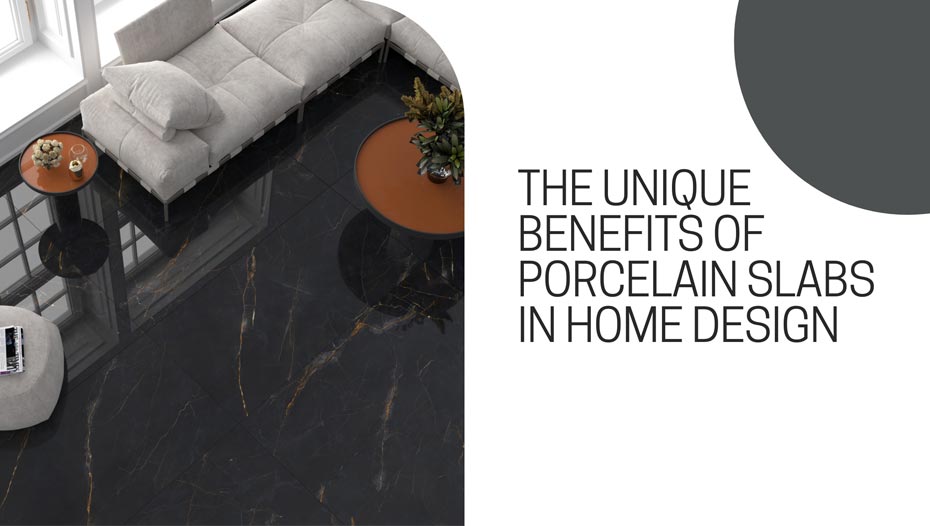
Porcelain slabs have recently become the trend in modern home design, and rightly so. These versatile materials have a list of excellent characteristics that enhance the appearance of any environment.
In this blog post, we will explore the benefits of porcelain slabs, their applications for flooring and walls, how they compare to traditional materials, their suitability for high-traffic areas, and what makes them remarkably durable. Let’s dive into the world of porcelain slabs!
Benefits of Porcelain Slabs
Porcelain slabs are a fantastic choice for homeowners and designers alike. Here are some of the key benefits of porcelain slabs:
- Aesthetic Versatility: Porcelain slabs come in different shades of color, patterns, and texture. Such flexibility allows homeowners to attain a variety of style themes, from modern minimalistic styles to traditional country feel.
- Low Maintenance: One of the standout features of porcelain slabs is their low maintenance requirements. Unlike other materials needing regular sealing or special cleaners, porcelain is easy to clean and resistant to stains and scratches.
- Eco-Friendly Option: Many manufacturers, including SANSAM, fabricate porcelain slabs with environmentally friendly methods and materials, making them ideal for environmentally conscious homeowners.
- Water Resistance: Porcelain is naturally water-resistant, which makes it an excellent option for areas prone to moisture, such as bathrooms and kitchens.
- Temperature Resistance: Porcelain slabs can withstand extreme temperatures, making them suitable for indoor and outdoor applications.
- Cost-Effectiveness: While the initial investment may be higher than some traditional materials, the durability and low maintenance of porcelain slabs often lead to long-term savings.
Therefore, porcelain slabs offer many benefits in home design. Starting with the look and flexibility of the product, with its ability to mimic any material with such strength and resilience, porcelain slabs are an investment for any homeowner who wants to improve the appearance of their home.
Porcelain Slabs for Flooring and Walls
Porcelain slabs are incredibly versatile and can be used for flooring and wall applications. Porcelain slabs for flooring, internal walls, or exterior spaces are more memorable in their utilization than other conventional materials.
Flooring
Using porcelain slabs for flooring offers immense benefits. They are incredibly durable, making them ideal for high-traffic areas in the home. The wide range of designs ensures homeowners can find the perfect slab to match their interior decor.
Walls
Porcelain slabs are very useful for making walls and providing interesting aesthetic solutions. They can resemble natural stone or even wood, which makes it look like sophistication does not come with the overhead and care chores. Besides this, porcelain slabs do not have any texture or grains, so they cannot breed mildew and mold, especially valuable in regions of high humidity.

Porcelain Slabs vs Traditional Materials: A Comparison
Thus, the question of which home design material is ideal versus which home design material is suitable must merit a worthy answer. Here is a comparison of porcelain slabs with ceramic tiles, natural stone, and vinyl.
Durability
Porcelain slabs are generally more durable than ceramic tiles due to their denser composition. This density makes porcelain slabs less susceptible to cracking and chipping. If you’re wondering about the difference between porcelain and ceramic, it’s important to note that porcelain is fired at higher temperatures, resulting in a more substantial material.
Aesthetic Appeal
While traditional materials like natural stone offer beauty, they often require higher maintenance. Porcelain slabs can replicate the look of these materials while providing a more uniform appearance and easier upkeep.
Cost
Primary, natural stone can entail a great deal in terms of material costs and actual implementation. We have porcelain slabs that prove that you do not have to spend more to get the best design and quality.
Maintenance
Traditional materials like vinyl may require more frequent replacement and maintenance over time. In contrast, porcelain slabs’ resistance to stains and scratches means homeowners can enjoy their beauty for years with minimal care. Additionally, if you’re considering outdoor spaces, you might wonder: can ceramic tiles be used for outdoor spaces? While ceramic can be used outdoors, porcelain is often the superior choice due to its durability and resistance to the elements.
As you plan your home design, remember the unique benefits that porcelain slabs can provide, ensuring that your space is beautiful but also functional and lasting.
Why Porcelain Slabs Are Ideal for High-Traffic Areas?
These include the corridors, the common areas defined by the living and dining hall, and the kitchen, among other accessible regions; thus, the selected items must be enduring. Here’s why porcelain slabs are an ideal choice:
- Scratch and Stain Resistance: Porcelain’s dense nature makes it highly resistant to scratches and stains. This quality is crucial in areas with everyday spills and heavy foot traffic.
- Easy to Clean: Cleaning porcelain slabs is also very easy. They can be washed with soap and water, which is very important in hospitals with many people. Their non-porous surface prevents dirt and grime from settling in.
- Longevity: With proper installation and care, porcelain slabs can last a lifetime. This durability is especially beneficial in high-traffic areas where other materials may wear out quickly.
- Slip Resistance: Most porcelain slabs have a rough surface to improve the coefficient and reduce the risk of slipping by families with children or older people.
What Makes Porcelain Slabs So Durable?
The durability of porcelain slabs is one of their most significant advantages. Here are the key factors contributing to their strength:
- High-Temperature Firing: Porcelain is made at a much higher temperature than ceramics. It is less permeable and possesses more structural weave or hardness than ceramic material, which gives it higher tensile strength or stiffness.
- Natural Raw Materials: The composition of porcelain includes kaolin clay, feldspar, and quartz, which are naturally strong materials. This combination contributes to the overall durability of porcelain slabs.
- Low Porosity: Porcelain has low permeability, which means it can soak up only a little moisture and, therefore, will not expand, buckle, or crack when used in high humidity. This is especially beneficial for projects located in outdoor areas.
- Resistance to Chemical Damage: Porcelain slabs are resistant to the damaging effects of chemicals, ensuring that they maintain their appearance over time, even in environments where cleaning agents are frequently used.
- Impact Resistance: Porcelain slabs’ inherent toughness allows them to withstand impacts better than many traditional materials, making them an excellent choice for homes with pets and children.
The Exceptional Advantages of Porcelain Slabs in Interior Design
In conclusion, the benefits of porcelain slabs in home design are plentiful. From their aesthetic versatility to unmatched durability, porcelain slabs are an excellent investment for any homeowner looking to enhance their space. Porcelain slabs offer unique advantages that traditional materials cannot match, whether used for flooring, walls, or outdoor areas.
SANSAM remains the market pioneer in providing premium porcelain slabs that meet various trends in contemporary home plans. Well, when you decide to use floors from porcelain slabs that are common today, you are deciding on longevity and sustainability, too. Consider using porcelain slabs when planning a remodel or creating a new construction project. Since they can closely mimic more costly materials like wood, stone, or marble while being more durable, they are an ideal choice for any room in the house. Check out the other guide for more detailed information on porcelain and its closest rival.