
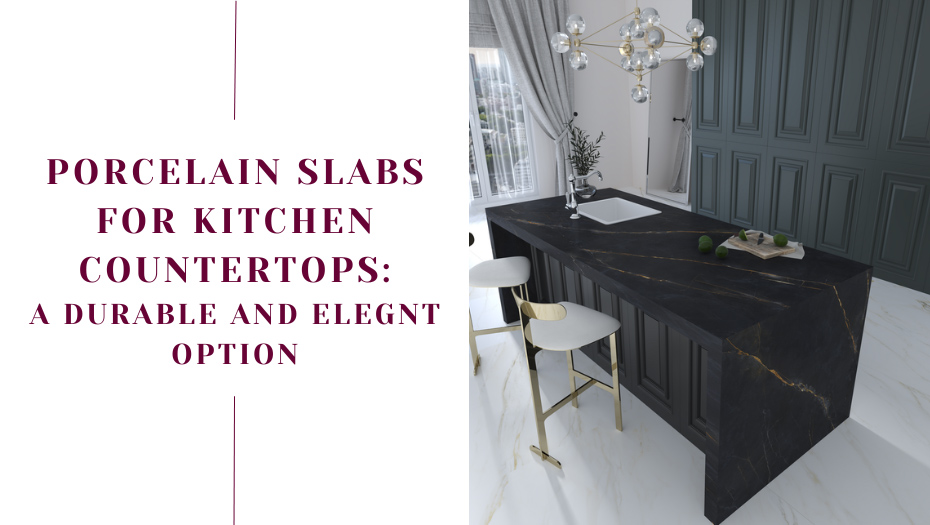
When it comes to designing the perfect kitchen, every detail matters—from the cabinetry and appliances to the material you choose for your countertops. Among the many options available today, porcelain slabs for kitchen countertops are quickly becoming a favourite for homeowners, designers, and architects alike. Known for their durability, elegance, and low maintenance, porcelain slabs combine aesthetics with performance that few materials can match.
In this comprehensive guide, we’ll explore what makes porcelain slabs ideal for kitchens, how they compare to other countertop materials, and why they’re a long-term investment in both beauty and practicality.
What Makes Porcelain Slabs Ideal for Kitchen Countertops
The use of porcelain is not new, and over the centuries, it has been applied in art, architecture, and design. Technological developments have enabled manufacturers to produce large-format porcelain slabs that are well-suited for modern kitchens. These are slabs formed by pressing refined clay, feldspar, and other natural minerals under very high pressure, then firing them to a temperature above 1200 °C. What you have is a porcelain surface that is highly dense, non-porous, and effective in terms of strength and good looks.
1. Exceptional Durability
A porcelain slab used as a kitchen countertop is firm. Porcelain is also engineered to resist chipping, cracking and scratching, unlike the natural stones such as marble or granite. This is why it is a perfect solution to busy kitchens where heavy cookery, sharp tools, and daily use of the product may easily damage less durable surfaces. The porcelain structure is high-density, making it much more resistant to impact and heat, so it can withstand any item, whether a hot pan or an accidental drop, without being damaged.
2. Stain and Chemical Resistance
The non-porous surface of porcelain slabs is one of the most important benefits of using them in the kitchen. Porcelain does not hold liquids or stains, as natural stone does. This implies that coffee, wine, oil spills, or acidic foods can be easily wiped off without leaving any trace. Moreover, no chemical cleaner can ruin porcelain, so you should not fear ruining the surface when cleaning your kitchen.
3. Heat and UV Resistance
Whether you’re placing a hot pan on the counter or installing your kitchen in a sunlit area, porcelain slabs are designed to withstand extreme temperatures and UV rays. Unlike quartz or resin-based surfaces, which may discolour over time, porcelain maintains its original colour and texture for years—even in outdoor or high-exposure environments.
4. Variety of Designs and Finishes
Modern manufacturing allows porcelain to replicate the look of natural stone, wood, concrete, or even metal. You can choose from matte, polished, or textured finishes, and select from countless colours and patterns. This versatility makes large-format porcelain slab kitchen countertops suitable for any design aesthetic—from classic to ultra-modern.
5. Large Format and Seamless Look
Using large-format porcelain slabs means fewer seams and joints in your countertop. This not only enhances the sleek, modern look of your kitchen but also makes cleaning easier since there are fewer gaps for dirt and bacteria to accumulate.
Comparing Porcelain Slabs to Other Countertop Materials
In selecting a suitable countertop, homeowners can compare popular options such as granite, quartz, and marble. All materials have their strengths, yet porcelain offers a unique set of benefits that often sets it apart from the competition.
1. Porcelain vs. Granite
Granite is a traditional option known for its natural beauty and power. Nevertheless, granite must be sealed periodically to prevent stains and bacteria. On the contrary, porcelain slabs are maintenance-free and non-porous. Porcelain is also lighter than granite and, as a result, easier to install and cheaper. Moreover, porcelain slabs may have the appearance of granite but be more designable.
2. Porcelain vs. Quartz
Quartz countertops are manufactured from a combination of natural quartz crystals and resins. They are durable but may be sensitive to heat and sunlight, so they tend to discolour over time. Instead, porcelain is entirely heat- and UV-resistant, making it more suitable for use in areas that stay in the sun or in high-temperature environments. Quartz also offers fewer design choices than porcelain, which can replicate virtually any texture or pattern.
3. Porcelain vs. Marble
Marble is famous for its luxurious appearance, but it is also one of the most delicate natural stones. It scratches and stains readily, requiring regular maintenance and sealing. Porcelain slabs for kitchen countertops can replicate the elegance of marble—complete with veining and shine—without the high upkeep.
In terms of cost-effectiveness, porcelain is often a more affordable option that maintains a premium look.

Maintenance and Cleaning Tips for Porcelain Slabs
A significant benefit of porcelain slab for kitchen countertops is its easy cleaning. They are smooth and non-porous, so cleaning them is minimal effort. Below are some simple cleaning and maintenance recommendations to keep your porcelain surfaces looking like new over time.
1. Daily Cleaning
For daily cleaning, all you need is a soft cloth or sponge, warm water, and a mild detergent. Wipe the surface to remove any spills, crumbs, or smudges. Since porcelain does not absorb liquids, even strong-colored foods like tomato sauce or coffee won’t leave stains.
2. Dealing with Stubborn Stains
For tougher stains or dried spills, use a non-abrasive cleaner or a baking soda and water mixture. Apply it to the affected area, let it sit for a few minutes, and wipe it off with a damp cloth. Avoid using steel wool or harsh scrubbing pads, as they can dull the finish over time.
3. Avoiding Scratches
Although porcelain slabs are highly scratch-resistant, it’s still wise to use cutting boards when preparing food. This is for your countertop and your knives. Avoid dragging heavy cookware or appliances across the surface to maintain the polished finish.
4. Heat Protection
Porcelain can handle hot pots and pans, but using trivets or heat pads is still recommended for long-term care. This helps maintain the finish’s aesthetic appeal and ensures your surface stays pristine for years.
5. Sealing and Polishing
Porcelain slabs do not need to be sealed, unlike natural stone. It is naturally impervious to liquids and bacteria, so it will not require annual treatment. For a glossy finish, you can occasionally add shine with a mild glass cleaner, but it is not essential.
Design Flexibility and Applications Beyond Countertops
While porcelain slabs are often used as countertops, their versatility extends far beyond that. Thanks to their strength and aesthetic appeal, these slabs are being used in various parts of the home.
1. Kitchen Islands and Backsplashes
Large-format porcelain slabs can create a seamless transition between countertops, backsplashes, and even waterfall islands. This cohesive design adds a luxurious, modern touch to the kitchen.
2. Bathroom Vanities and Walls
Porcelain is also ideal for bathrooms since it resists moisture, mould, and mildew. It’s perfect for vanity tops, shower walls, and even flooring, giving your home a consistent, high-end appearance.
3. Outdoor Kitchens and BBQ Areas
Because of their UV and weather resistance, porcelain slabs are an excellent choice for outdoor kitchens. They won’t fade, crack, or degrade under sunlight or temperature changes.
4. Flooring and Wall Cladding
The durability and thinness of large-format porcelain slabs make them ideal for flooring and wall applications. They can be installed vertically or horizontally to achieve a seamless, spacious look throughout your home.
Choosing the Right Porcelain Slab for Your Kitchen
Selecting the right porcelain slab for kitchen is about choosing a material that enhances your cooking experience and maintains its beauty for decades.
When shopping for ample-format porcelain countertops, consider the following:
- Colour and Finish: Choose tones that complement your cabinetry, flooring, and overall kitchen style.
- Thickness and Size: Larger slabs mean fewer seams, while varying thicknesses offer design flexibility.
- Texture and Pattern: Decide whether you prefer a natural stone look, a minimalist matte finish, or a bold marble-inspired design.
- Installation Quality: Work with a skilled fabricator experienced with large-format porcelain to ensure precision and durability.
Whether you’re remodelling your kitchen or designing a new one, investing in porcelain will elevate your space with elegance, functionality, and lasting performance.
Why SANSAM Recommends Porcelain Slabs
At SANSAM, you would never want anything short of perfection in your kitchen. High-quality, innovative materials make porcelain slabs a necessity in the contemporary home. With their unmatched durability, elegant designs, and eco-friendly properties, porcelain slabs are not just a surface—they’re a statement of timeless sophistication. Turn your kitchen into a masterpiece of both aesthetics and functionality with SANSAM porcelain slabs, and enjoy a new level of beauty in your home.