
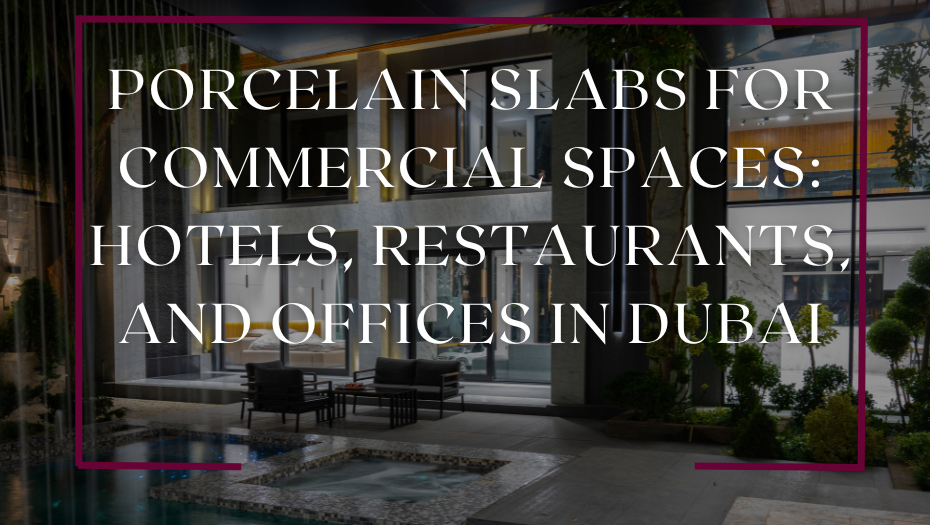
Dubai is a city geared towards design. The skyscrapers of the Downtown are sparkling with their gleaming skyscrapers, the palm resorts are posh, and you can sense pride, novelty, and prestige everywhere. Regarding the interior, especially in business districts, it is not only about the utility of material selection, but also about making a statement. Hotel lobby carpeting, restaurant walls, or reception desk office are part of developing a customer experience.
That is why structures in Dubai are taking a closer interest in the materials to use. Porcelain slabs in Dubai have been among the preferred options in recent years, applied in hotels, restaurants, and offices. The demand for commercial porcelain slabs has been increasing drastically at SANSAM, and it is easy to see why. Durability, beauty, and practicality are some of the features they possess that would suit busy, high-profile commercial projects in the UAE adequately.
This article will discuss the reasons why porcelain slabs would fit best in the commercial areas in Dubai, a comparison of porcelain slabs with other materials being used in commercial work in the city of Dubai, and how to use a porcelain slab, and provide practical tips on selecting the best porcelain slab to use in the commercial area.
Why Material Choice Matters in Commercial Spaces
Commercial offices tend to be very busy compared to residential ones, and thus, they need to withstand heavy traffic by using hard materials. Hotels accommodate thousands of people in their lobbies daily, and both restaurants and offices require professional and comfortable areas. The improper choice of material can lead to high maintenance, frequent material changes, and even a loss of brand image.
Another example is a countertop made of marble with scratches or a broken tile floor made of ceramic, which immediately makes a place look untidy. Conversely, an impeccable surface that remains beautiful with time passes strengthens the feeling of quality and professionalism.
This is why it cannot be just an aesthetic choice to have the right surfacing material; it is a business investment.

Introduction to Porcelain Slabs: A Perfect Material
Porcelain slabs are large-format tiles made from refined clay and natural minerals, and are fired at extremely high temperatures. This treatment produces a non-porous, very thick surface that is stain-resistant, as well as scratch- and heat-resistant. In other words, the porcelain slabs seamlessly merge aesthetics and functionality into one piece.
In the case of the Dubai commercial landscape, which seamlessly combines luxury and functionality, this balance is crucial. In SANSAM, porcelain slabs are regularly suggested for hotel lobbies, restaurant floors, and office interiors. Nasey can preserve their class while also meeting the needs of high-traffic areas.
Why Porcelain Slabs Are Perfect for Commercial Spaces in Dubai
The reason porcelain slabs are the ideal flooring option in business premises in Dubai is that they are durable and easy to maintain.
When considering the demands of hotels, restaurants, and offices, it becomes clear why porcelain slabs are chosen.
1. Heat and Moisture Resistance.
The climate in Dubai is hot and humid, and commercial kitchens and spa areas are consistently exposed to high temperatures and humidity. Porcelain slabs are non-porous and unable to absorb moisture, and therefore, they are not warped or molded. They are also resistant to high temperatures, and thus can be used in the kitchen and on terraces.
2. Stain and Scratch Resistance.
Floors and counters are heavily used in hotels and restaurants. Weaker surfaces can be scratched by luggage wheels, high heels, or sliding chairs. The strength of porcelain has made it exceptionally resistant to scratches, far more so than soft stones or regular ceramics. Its stain resistance is also beneficial in dining spaces, where spills from red wine or coffee can be easily wiped away without leaving a pattern.
3. Low Maintenance
One of the most critical components of business is maintenance. Hotels and restaurants cannot even afford to take time to polish or cover their floors, even for one day. Porcelain requires minimal care, and it can be cleaned effectively with water and a gentle detergent. It could thus be considered a long-term viable decision that was also cost-effective.
4. Luxurious Aesthetics
Dubai is renowned for its modern architecture and high-end interior designs. Porcelain slabs come in beautiful designs, with most imitating the appearance of marble, granite, or even onyx. This implies that developers can achieve the luxurious appearance of natural stone with the convenience of porcelain.
5. Big Form in the Contemporary Spaces
Huge slabs made of porcelain, typically measuring up to 160 cm x 320 cm, offer a smooth and elegant appearance. This scale is used in hotel lobbies and offices to create a dramatic effect and minimize the number of grout lines. The outcome is a smooth, modern effect that matches the architecture of Dubai.
Porcelain Slabs vs Other Materials in Dubai Commercial Projects
It is worthwhile to compare the porcelain slabs with other materials in the Dubai commercial projects to understand why they are winning grounds.
Porcelain vs. Ordinary Ceramic Tiles
- Size: Ceramic tiles are generally smaller, which gives them more lines of grout and a less sophisticated look. Porcelain slabs are available in large sizes, making them suitable for use in vast areas.
- Durability: Ceramic is prone to chipping and cracking, especially in high-traffic areas. Porcelain is heavier and stronger.
- Aesthetic choices: Porcelain slabs imitate the appearance of natural rock, providing high-quality finishes, whereas ceramic tiles can appear less complex.
Porcelain vs Marble
- Luxury factor: Marble is original and exquisite; however, it can be scratched, etched, and stained.
- Maintenance: Marble requires regular sealing and handling, whereas porcelain is typically maintenance-free.
- Price: The premium marbles are much more expensive than porcelain slabs, which also bear the same appearance.
Porcelain vs Granite
- Durability: The strength of the two is alike, whereas granite is prone to chipping when subjected to extreme impact, whereas porcelain is more resistant to normal wear.
- Flexibility in design: Porcelain has a steady color and pattern, whereas granite can utilize natural variations.
The porcelain slabs can be the best choice in terms of appearance, performance, and cost for a commercial developer in Dubai.
Applications of Porcelain Slabs in Hotels
Hotels in Dubai are not just places to stay; they are experiences in their own right. From five-star resorts to boutique hotels, design plays a massive role in attracting and retaining guests.
Porcelain slabs shine in these applications:
- Lobby flooring: Large-format slabs create a grand, seamless first impression.
- Reception counters: Scratch-resistant surfaces that stay pristine even with constant use.
- Bathrooms and spas: Resistant to moisture and easy to clean, ideal for high-turnover spaces.
- Outdoor terraces and pool decks: Withstand Dubai’s sun without fading or cracking.
Guests may not consciously notice the material, but they will feel the sense of luxury and cleanliness porcelain slabs provide.
Applications of Porcelain Slabs in Restaurants
Restaurants require surfaces that strike a balance between hygiene, durability, and style.
Porcelain slabs are ideal for:
- Dining area flooring: Withstanding chairs being moved, spills, and heavy foot traffic.
- Bar and countertop surfaces: Resistant to stains and scratches from glasses, utensils, and daily use.
- Wall cladding: Adding design accents that reflect the brand identity.
- Kitchen areas: Heat-resistant and easy to clean, perfect for demanding back-of-house operations.
For Dubai’s competitive restaurant industry, porcelain helps deliver both atmosphere and practicality.
Applications of Porcelain Slabs in Offices
Modern offices in Dubai are designed to impress clients and support employee productivity. Porcelain slabs help achieve both goals.
- Reception areas: Large slabs set a professional tone from the moment clients walk in.
- Conference rooms: Sleek finishes for tables and walls create a polished environment.
- Pantries and common areas: Easy-to-clean surfaces reduce maintenance costs.
- Restrooms: Hygienic, stylish, and durable under heavy use.
Commercial porcelain slabs align with Dubai’s vision of modern, world-class workplaces.
Conclusion
As far as the design of commercial spaces in Dubai is concerned, there is nothing trivial about it. Not only your brand, but also your quality and customer experience, are conveyed through the materials you use. In Dubai, buildings such as hotels, restaurants, and offices are using porcelain slabs as their preferred material. They offer security, thermal, and water resistance, as well as high-end luxury fashion, which aligns with the architectural purpose of the city.
The combination of utility and beauty is higher in commercial porcelain slabs than in other substances.
The porcelain slabs will bring power and glamour, whether in a hotel lobby, a posh restaurant, or a meeting room setting.
SANSAM is one such firm that provides porcelain slabs to the most ambitious commercials in Dubai. We get to know what you need by providing you with the right slabs that best fit your location and are both functional and design-wise superior. If you have a business venture in Dubai, please call SANSAM today and explain to us the line of porcelain slabs and how they can enhance your location.